
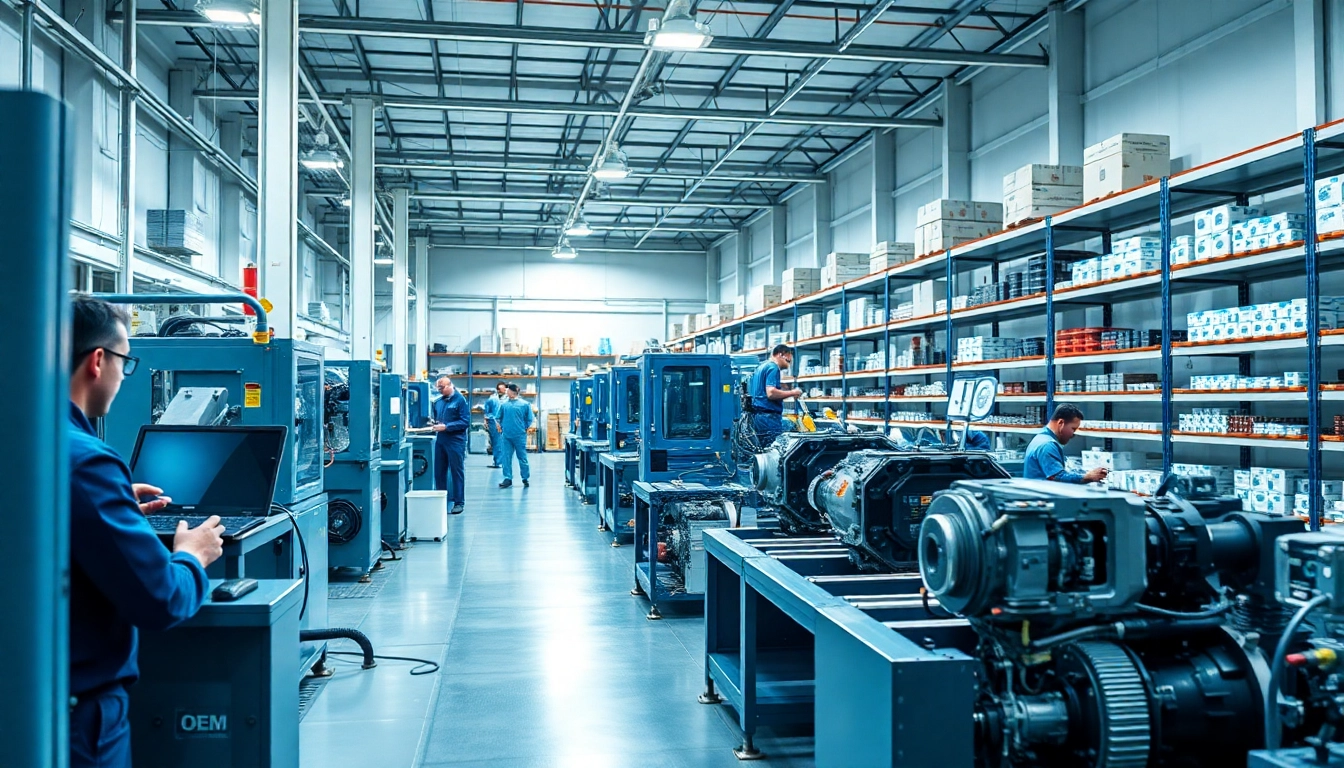
What is OEM and Its Significance?
The term OEM stands for Original Equipment Manufacturer. In a nutshell, it refers to companies that produce parts and equipment which are then marketed and sold by another company under their own brand name. This relationship is pivotal in various industries, as it not only shapes product quality but also defines market strategies and consumer trust. To understand OEM’s role fully, one must delve into its definition, historical context, and importance in the manufacturing landscape.
Definition of OEM
OEM is a term popularized in the manufacturing and technology sectors, referring to manufacturers who produce components or products that are marketed by another company. For example, a computer hardware company might manufacture specific components but sells them under the brand name of another; this illustrates the essence of OEM. The OEM produces the product to the specifications of the buying entity but generally holds no responsibility for how it is branded or marketed.
Historical Context of OEM
The OEM concept has evolved significantly over the decades. Originally focused on the automotive industry, OEM practices expanded during the industrial revolution when the need for specialized parts became paramount. As mass production grew, companies recognized the advantages of outsourcing component production without sacrificing quality or brand integrity. This led to the establishment of relationships where OEMs would produce high-quality parts, thereby enhancing overall product reliability.
Importance in Manufacturing
In modern manufacturing, OEMs are critical for ensuring product quality and supply chain efficiency. They allow companies to streamline operations by focusing on branding and distribution while outsourcing specialized manufacturing tasks. This collaboration often leads to innovative products and improved customer experiences. Moreover, by working with reputable OEMs, companies can leverage the manufacturers’ expertise, ensuring the components meet industry standards and regulatory requirements.
Types of OEMs in Different Industries
Different industries utilize OEMs in various ways. Understanding these applications helps stakeholders appreciate the specific roles and functions of OEMs across sectors.
OEMs in Automotive Sector
The automotive industry is one of the earliest adopters of OEM practices, where manufacturers produce components like engines, transmissions, and brakes. These parts are sold to major automobile producers who then assemble and market complete vehicles. Automotive OEMs are crucial for maintaining vehicle performance, safety, and compliance with environmental regulations.
OEMs in Electronics
In the electronics sector, OEMs play a fundamental role in designing and manufacturing components like circuit boards, processors, and connectivity modules. Technology products often rely on multiple OEMs to produce high-quality parts before they are branded and sold by larger tech firms. This partnership allows for a rapid advancement in technology while ensuring that those components are rigorously tested for performance and reliability.
OEMs in Medical Equipment
Medical equipment OEMs specialize in producing devices and components crucial for healthcare, such as surgical instruments, diagnostic machines, and implantable devices. The importance of quality assurance in this sector cannot be overstated; OEMs must adhere to stringent regulatory standards to ensure patient safety and product efficacy. The collaboration between OEMs and healthcare companies streamlines innovation while maintaining compliance with health regulations.
Benefits of Choosing OEM Products
Opting for OEM products can have substantial benefits. Understanding these advantages can guide consumers and businesses in making informed purchasing decisions.
Quality Assurance
One of the most significant advantages of choosing OEM products is quality assurance. OEMs typically adhere to rigorous quality control standards and are responsible for ensuring their products meet high reliability benchmarks. This emphasis on quality leads to enhanced overall performance and customer satisfaction.
Warranty Advantages
Many OEM products come with warranties that are not typically offered with aftermarket alternatives. These warranties provide additional peace of mind to consumers, guaranteeing that any manufacturing defects or failures will be addressed promptly without additional costs. This assurance can be crucial, especially in industries like automotive and healthcare, where product reliability is paramount.
Comparing OEM and Aftermarket
When evaluating the landscape of product parts, it’s crucial to compare OEM with aftermarket alternatives. While aftermarket products may appear more economical, they often come with risks, such as compatibility issues and inconsistent quality. OEM products, conversely, are designed to meet specific brand standards, ensuring a perfect fit and optimal performance.
Key Considerations When Working with OEMs
Engaging with OEMs requires strategic planning and considerations to ensure a successful partnership and product development journey.
Choosing the Right OEM Partner
Selecting the right OEM partner involves evaluating their track record, technological capabilities, and adherence to quality standards. Companies should conduct thorough due diligence, including assessing previous projects and gathering customer feedback. Establishing a clear communication channel and understanding each party’s expectations is also crucial for forming a successful partnership.
Negotiating Contracts with OEMs
Negotiating contracts with OEMs can be complex. It is important to outline clear deliverables, timelines, and payment structures while ensuring both parties understand their responsibilities. Effective negotiation can lead to better pricing models and, ultimately, a more productive collaboration.
Understanding Pricing Models
Pricing models can vary considerably among OEMs, and it’s vital to understand how these price structures impact the bottom line. Factors such as production volume, materials used, and technology employed can all influence costs. Establishing transparent pricing discussions early can help prevent misunderstandings and ensure both parties align on financial expectations.
Future Trends in OEM Manufacturing
The landscape of OEM manufacturing is continually evolving, driven by trends that impact technology, sustainability, and globalization.
Technological Advancements
Emerging technologies, such as AI and IoT, are reshaping the role of OEMs by enhancing operational efficiencies. Automation and smart manufacturing processes allow OEMs to produce parts with greater precision and speed, thereby reducing costs while improving product quality. As these technologies advance, OEMs will be better positioned to meet increasing consumer demands.
Sustainability in OEM Practices
Sustainability has become a key focal point in manufacturing practices. OEMs are increasingly adopting eco-friendly materials and processes as awareness around environmental impact grows. These practices not only reduce the ecological footprint but also cater to consumers who are now more inclined to support sustainable brands.
Globalization and its Impacts
The globalization of trade has significantly influenced OEM operations. As companies seek to optimize their manufacturing processes, many are exploring offshore manufacturing avenues to reduce costs and increase efficiency. This shift brings forth both opportunities for competitive pricing but also challenges, such as compliance with international regulations and quality control across borders.
What does OEM stand for?
OEM stands for Original Equipment Manufacturer, referring to companies that produce parts for other businesses.
Are OEM parts more reliable than aftermarket?
Yes, OEM parts are often considered more reliable as they are made by the same manufacturers that produced the original product.
What are the benefits of using OEM products?
OEM products generally offer warranty support, guaranteed compatibility, and superior quality assurance compared to aftermarket alternatives.
How does an OEM differ from a supplier?
While suppliers provide raw materials, OEMs create finished goods or parts that are rebranded and sold by another company.
Is it worth it to choose OEM for automotive parts?
Choosing OEM automotive parts ensures compatibility and quality, enhancing vehicle longevity and performance.