Overview of UV-Resistant Exterior Panels
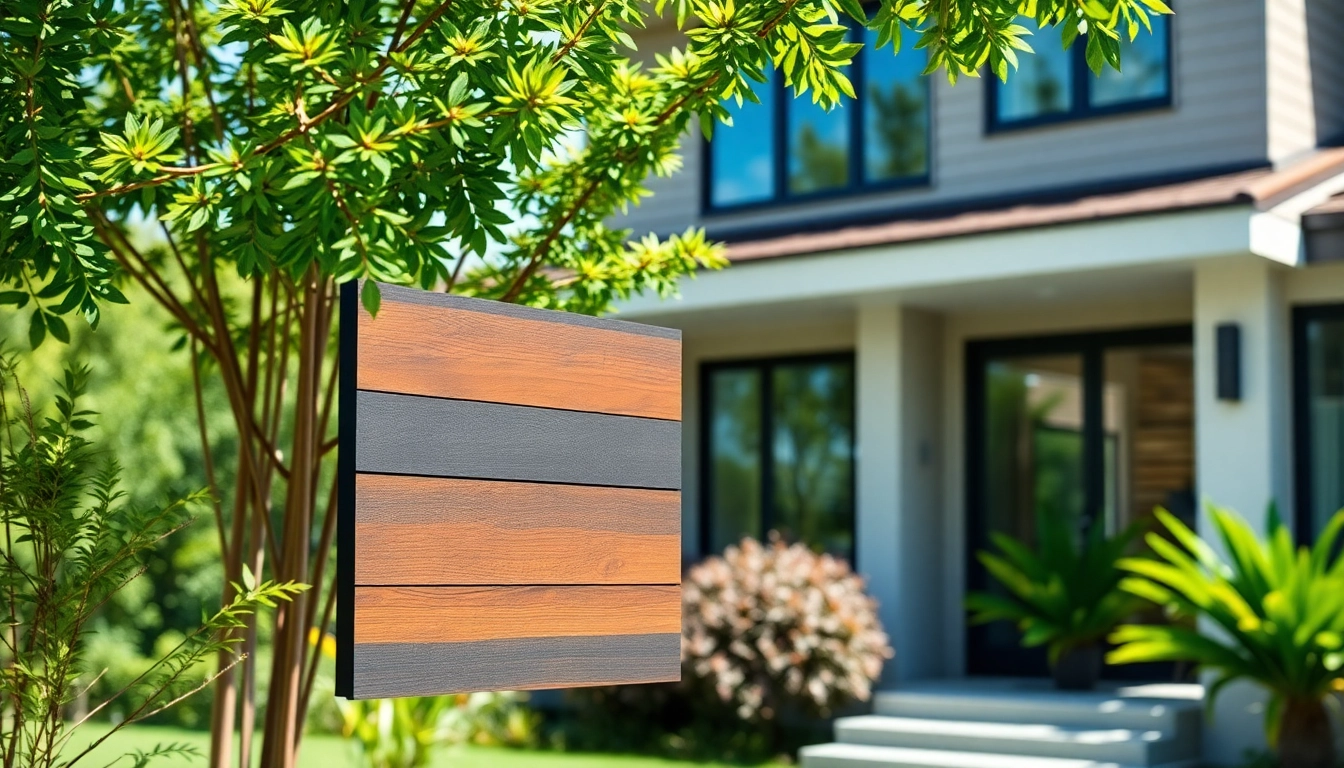
In the realm of construction and home improvement, innovation is pivotal for ensuring that structures withstand the test of time and nature. One such innovation is UV-Resistant Exterior Panels, which have emerged as a preferred choice for both residential and commercial applications. These panels are specifically designed to resist the damaging effects of ultraviolet (UV) rays, thereby prolonging the aesthetic appeal and structural integrity of buildings.
What Are UV-Resistant Exterior Panels?
UV-resistant exterior panels are materials engineered to withstand prolonged exposure to sunlight without degrading. Made from various composites, these panels incorporate special additives or coatings that provide protection against the harmful effects of UV radiation. Common materials used include polycarbonate, fiberglass, and high-density polyethylene. Unlike standard panels, these UV-resistant variations mitigate fading, warping, and cracking, ultimately enhancing the longevity of installations.
Why Choose UV-Resistant Materials?
Choosing UV-resistant materials for outdoor applications is vital for several reasons. Firstly, they maintain color vibrancy and structural properties under diverse environmental conditions. As such, they are not only aesthetically pleasing but also low maintenance. Secondly, these panels shield underlying structures from heat buildup and moisture penetration—this is especially important in climates subject to extreme weather patterns. Lastly, investing in UV-resistant materials translates to long-term savings, allowing homeowners and builders to avoid frequent repairs or replacements.
Common Uses and Applications
The versatility of UV-resistant exterior panels allows them to be utilized in various applications, including:
- Residential Exteriors: Popular for siding, these panels enhance curb appeal while offering protection from weather elements.
- Commercial Buildings: Often used in storefronts and office facades, UV-resistant panels help maintain a professional appearance.
- Garages and Sheds: Ideal for external structures, they reduce maintenance needs and increase structural longevity.
- Outdoor Furniture: Used in everything from picnic tables to loungers, ensuring durability in the face of sun exposure.
Benefits of UV-Resistant Exterior Panels
Enhanced Durability and Lifespan
The most compelling advantage of UV-resistant exterior panels is their durability. These panels undergo rigorous testing to ensure they can endure the elements for many years. Unlike conventional materials, which may experience significant wear and tear due to sun exposure, UV-resistant panels are designed to withstand such challenges. This leads to a much longer lifespan, often exceeding that of traditional building materials by a notable margin.
Resisting Weather and Environmental Damage
UV-resistant panels excel not just in resisting UV radiation; they also combat various environmental stresses. Rain, snow, and extreme temperatures can deteriorate standard materials, causing leaks, mold growth, and structural degradation. However, UV-resistant panels reduce the chances of these problems, offering an additional layer of protection. This makes them suitable for regions with harsh weather conditions.
Cost-Effectiveness Over Time
While the upfront cost of UV-resistant exterior panels might be slightly higher compared to standard alternatives, the long-term savings are substantial. Homeowners and managers benefit from reduced maintenance costs, fewer replacements, and lower energy bills due to better insulation properties. Over time, these benefits translate into a positive return on investment, often justifying the higher initial price point.
Installation of UV-Resistant Exterior Panels
Preparation Before Installation
Before installing UV-resistant exterior panels, thorough preparation is essential. Begin by assessing the structure and ensuring the surface is clean and free of debris. For new installations, consider reinforcing the wall studs to accommodate the panels’ weight. Additionally, gather all necessary tools and materials, including fasteners, sealants, and protective gear.
Step-by-Step Installation Guide
Installing UV-resistant exterior panels can be straightforward if you follow these steps:
- Measure and Cut: Accurately measure the installation area and cut the panels to size, ensuring precise fits.
- Mark Placement: Use a level to mark where panels will align, ensuring even installation.
- Secure Panels: Attach panels starting from the bottom, using the appropriate fasteners and sealants when necessary.
- Seal Edges: Apply a waterproof sealant on the edges to prevent moisture infiltration.
- Final Touches: Inspect for any gaps or imperfections and ensure everything is securely in place.
Common Installation Mistakes to Avoid
To ensure a successful installation, be aware of common pitfalls:
- Neglecting to check for level or alignment can result in uneven panels.
- Using improper fasteners can compromise the panels’ integrity over time.
- Failing to seal edges correctly may lead to moisture damage.
- Skipping the cleaning phase can cause debris to interfere with adhesion.
Maintenance Tips for Longevity
Regular Cleaning and Upkeep
To maintain the appearance and functionality of UV-resistant exterior panels, regular cleaning is paramount. Use a mild detergent and soft cloth to remove dirt and grime. Avoid abrasive materials that might scratch the surface. Regular upkeep keeps panels looking new and prevents build-up that can degrade quality over time.
Inspecting for Damage or Wear
Schedule periodic inspections to check for signs of wear, such as cracks, discoloration, or loosened fasteners. Early detection allows for timely repairs, reducing the risk of more extensive damage. Note that while UV-resistant panels are resilient, they can still be impacted by rigorous environmental conditions.
Waterproofing and Preventive Measures
Investing in additional waterproofing measures significantly enhances the durability of your panels. Consider applying a protective coating that adds an extra layer of resistance against moisture. Additionally, ensure water drainage pathways are clear, as standing water can compromise panel performance over time.
FAQs About UV-Resistant Exterior Panels
What materials are UV-Resistant?
Common UV-resistant materials include polycarbonate, fiberglass, and high-density polyethylene. These options offer excellent durability and minimize effects from UV exposure.
How long do UV-Resistant panels last?
UV-resistant exterior panels are designed for longevity, often lasting 20 to 30 years or longer, depending on usage and environmental factors.
Can UV-Resistant panels be painted or customized?
Yes, many UV-resistant panels can be painted or customized to fit specific design preferences, but check manufacturer guidelines for compatibility.
Are UV-Resistant panels eco-friendly?
Many UV-resistant panels are made from recyclable materials, making them a more eco-friendly option compared to traditional exterior materials.
How do UV-Resistant panels compare to regular panels?
UV-resistant panels offer superior protection against fading, warping, and other environmental damage, making them a more durable choice than standard panels.